Manchukuo 1987, yoshimi red
I picked up Manchukuo 1987 as a low stakes pulp alt-history wheeze by an amusing internet rando. A few days later I was depriving myself of sleep to find out what a fascist middle-aged Japanese secret policeman with a gammy leg was going to do next.
The setting is Manchuria, what we would now think of as northeast China, in a timeline where the Japanese remained a colonial power into the 1980s. It comes complete with third generation settlers, ghettos for locals, and racial purity laws. But the Japanese home islands have drifted towards liberalism, the t-shirt wearing, Walkman-toting gravity well of Asquith and Fukuyama, and have lost interest in empire. So the novel gives us Manchkuo on the eve of independence, at street level, complete with a messy mix of class, race and colonialism.
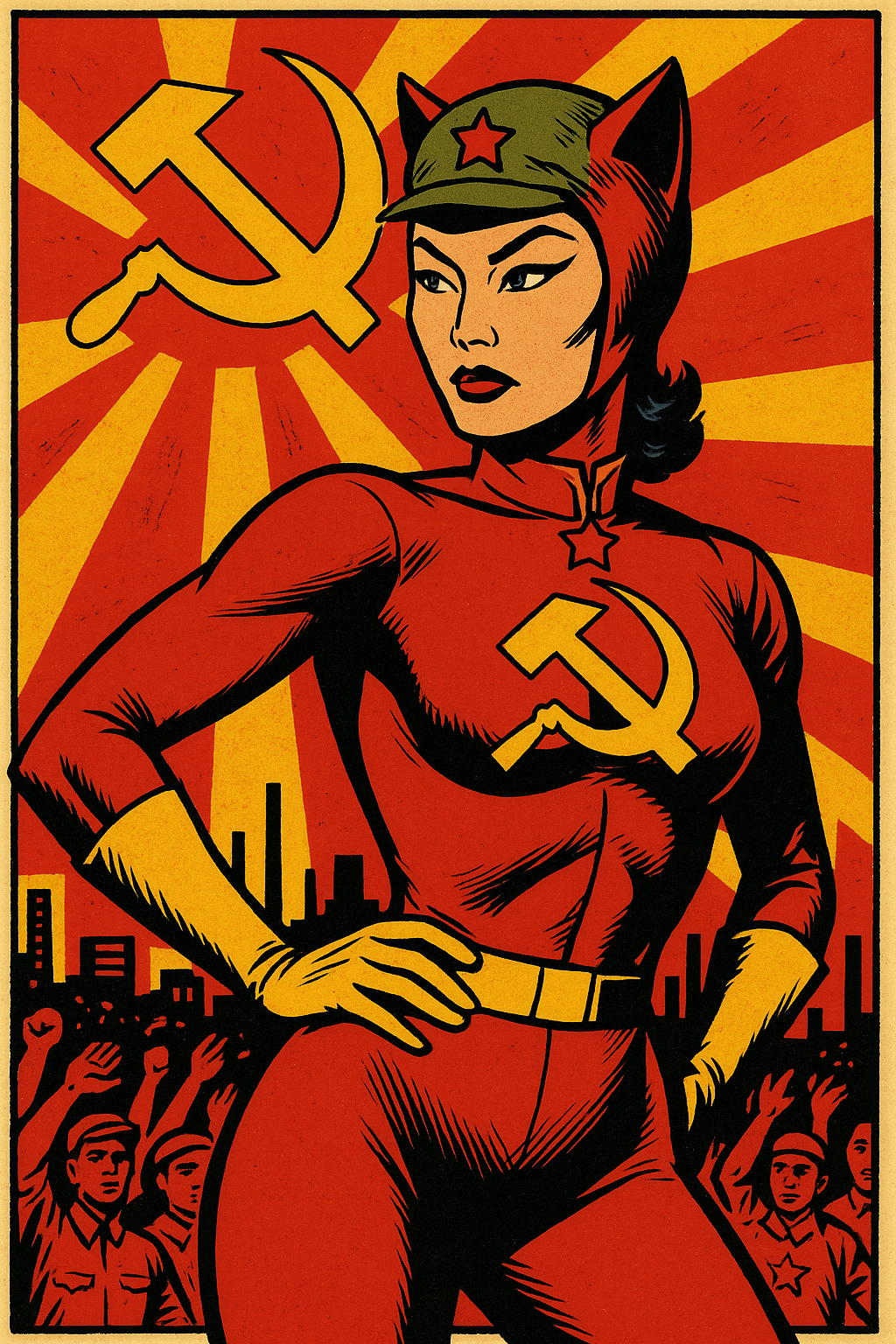
That’s really the appeal of the book: drifting through the regional town of Ryujin, through the grimy nightlife, the spinlocking racist brain of the overachieving settler schoolgirl, guzheng played in an elegant courtyard with a self-hating Chinese novelist, whores and gangsters, illegal communist graffiti, whisky, noodles and McDonalds, fascist functionaries going through the motions in a hollow regime, twin portraits of the Japanese emperor and a geriatric Puyi on the wall.
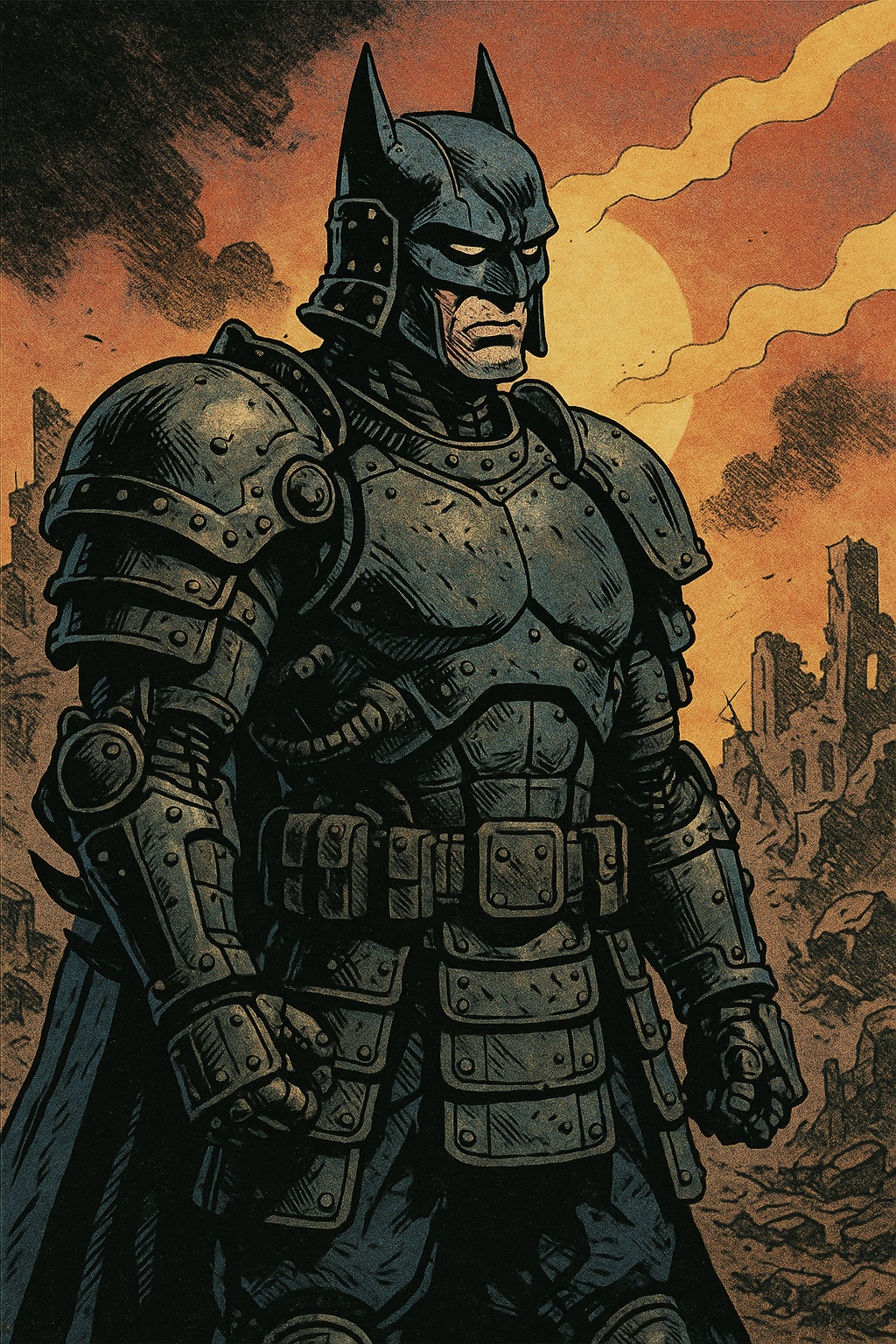
If the first great obsession of the book is historical forces grinding against each other at street level, the other great obsession is violence. Lurid, pulp violence, certainly; gangster novel sex, blood and splatter plays its part. But also political violence, scar tissue, bandit government and death squads. The suit of samurai armour on the cover is key. It’s retro power armour, electric powered hydraulics that multiplies the strength of the wearer while shielding them from rifle bullets the same way a tank does. It’s an old tech, in the book, from the 1950s. This is an absurdity, but not completely ridiculous: that’s an era where eight North Korean T-34 tanks defeated an entire American infantry battalion at Osan while bullets pinged comically off the armoured exterior and soldiers jumped out of the way like extras in an episode of the A-Team. More importantly, it’s the only technological leap of faith the book asks of you. Just as important as the suit itself is how they were used: by a local counter-insurgency force, the surveymen, made up of thugs and drifters of all races, in a dirty war vision of vicious multicultural harmony. In the novel the surveymen are both nightmare and historical relic, not just for their war crimes, but because they are too threatening to the regime’s doctrine of racial purity. Our detective used to be one.
The blurb namechecks Disco Elysium, and there is an dodgy alcoholic detective here, but where that fascinating game is amnesiac and obsessively introspective, Manchukuo 1987 is many-voiced and full of hidden memories. It switches between Chinese and Japanese characters, male and female, youth and age, different flavours of damage and compromise. Arguably it doesn’t really have a main character at all for the first half, and is all the better for it, because that makes Ryujin the main character, an unpretentious weatherbeaten protagonist that just happens to be a town.
There’s a writerly choice made halfway through the novel, a death, that turns the plot towards ultra-violence and a climax that is less Nostromo than Wolfenstein 3D. Part of me hurts for it. But maybe that’s just sentimental attachment to a fictional character, or maybe it was what the writer needed to get the novel written at all: permission to write throwaway trash, set in a place that never existed, under an internet pseudonym: samurai electric power armour. If that was the intent, it didn’t work. It’s pulp, but not trash. Put it on the shelf, next to the copy of Abe Lincoln, Simulacrum, with the half-ripped paperback cover, and the faded plastic video cassette case for That Blazing-Red Scar!: Story of a Surveyman at War. The classic Koji Wakamatsu version, of course, not the forgettable 2009 remake.
 Conflated Automatons